"Use stock footage when it can give your story a punch you can't get from your own shoot."
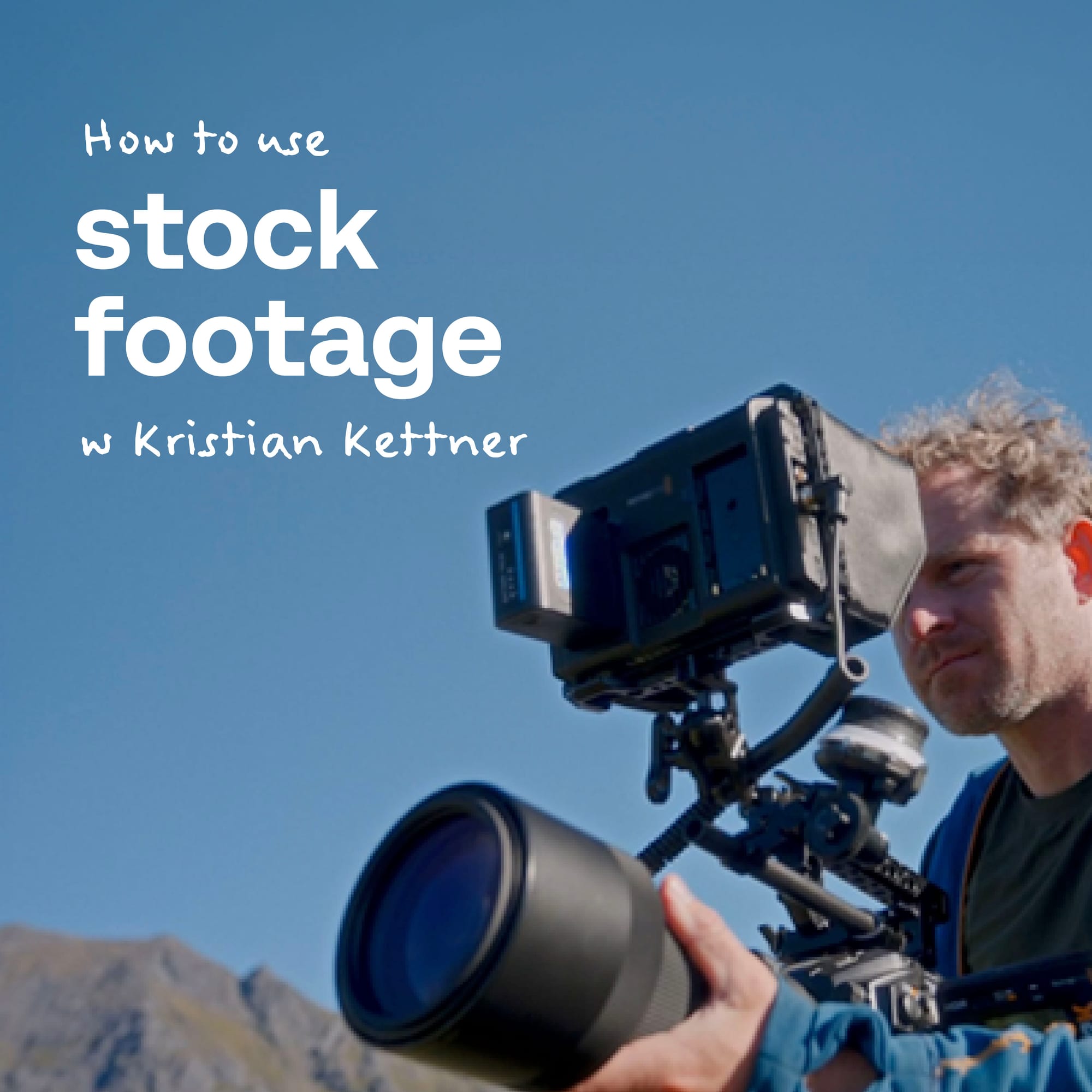
Stock footage used well can seriously improve your edit, something cinematographer Kristian Kettner knows well. With five years under his belt spent building a full-time stock video business, footage like his can give your story a whole new dimension.
Kristian shoots almost exclusively for stock libraries which means he spends a lot of time thinking about how a clip gets found, chosen, and cut into someone else's project long after he's filmed it. That perspective makes him a genuinely useful person to talk to if you're trying to find the shot that will make your edit feel intentional rather than stitched together.
In this Uppbeat interview, Kristian breaks down how to search for the right footage, what to look for when you're picking a clip, and why video shot by real filmmakers still has an edge worth reaching for.
Kristian Kettner is a filmmaker with credits spanning professional TV productions, commercial projects, and short films. Since going full-time on stock video, he's filmed everything from close-up detail shots and travel scenes to a three-and-a-half-month project restoring his grandfather's old family films.
- Browse with intent instead of searching blind
- Pick footage that matches your own, or is deliberately different
- Choose footage that feels real, not generated
- Reach for footage built to last, not just to fill today's gap
- Match the look of your footage to what it sits next to

1. Browse with intent instead of searching blind
Before you start searching for stock footage, you need to know exactly what you're looking for. But rather than searching for a vague term and hoping for the best, Kristian finds that going in with a clear picture in your head and browsing for it gets you to the right clip faster.
Kristian: "When you're browsing footage, it's a different creative process to shooting your own footage. When you have a clear idea of what you’re looking for, you’ll be more likely to find it."
That instinct works best when the library itself makes it easy to act on. Kristian points out that a well-organized collection is what actually lets a targeted search for the right footage pay off.
Kristian: "Humans are generally very visual. If a stock video library is curated and easy to search, a filmmaker can quickly identify which clips will fit with the rest of their edit. Working with stock video becomes a way faster process."
The better organized a library is, the less time you spend scrolling and the more time you spend actually deciding.
Kristian's Key Takeaway:
Get clear on the mood or moment you’re looking for before you start scrolling, and lean on a well-organized library to help your eye do the work. Trusting your instinct will usually get you there faster than typing out a vague description and hoping for the best.

2. Pick footage that matches, or is purposefully different
When a creator doesn't have the shot they need, stock video can fill the gap. But Kristian is clear that not just any clip will do.
Kristian: "If you can't create or find the clip yourself, look for something that can complement your footage. For example, if you're talking about a grandma and you don't have any footage of a grandma, look for something that works alongside what your edit already shows."
That middle ground is where things go wrong. A clip that's almost right, close in tone but not quite, tends to read as a mistake rather than a deliberate choice. Viewers might not be able to say exactly why, but they'll sense something's off. That's what actually breaks an edit, not a clip that's obviously from somewhere else, but one that almost passes as your own and doesn't.
Kristian's Key Takeaway:
Don't settle for something that's almost right. Either find a clip close enough that it feels like your own, or lean into the contrast so the shift feels deliberate. It's the middle ground that trips people up.

3. Choose footage that feels real, not generated
Kristian has watched generative AI move fast enough that he genuinely questioned whether stock video would still have a market. What's changed his mind is how differently audiences respond to real footage compared to something that's clearly been generated.
Kristian: "If people can see footage is AI generated and it's pretending to be real, that's a turnoff. Viewers just reject it and stop watching. People like to hear from real people."
Kristian doesn't think one is going to replace the other. In his view, AI-generated clips and real footage do different jobs: AI steps in for things you couldn't otherwise film, real footage carries the moments where authenticity matters. That's part of why he expects ‘real’ to become something creators actively lean into.
Kristian: "As AI gets bigger, filmmakers will start branding themselves as creating ‘real film’. Deliberately choosing shots with actual people and no AI-generated stuff. It makes your edit look completely authentic when it uses real footage."
Kristian's own footage is a good example – his family's decades-old home movies which he spent months restoring are as real as it gets. The cars, the clothes, the exact look of the film stock, none of it could be faked or recreated today.
In short: real, human-captured footage connects with an audience in a way that AI-generated clips don’t. Being upfront about where you get your clips from could become a selling point in itself.
Kristian's Key Takeaway:
As more content gets generated rather than filmed, real footage becomes a differentiator rather than a default. If a clip feels human, that's often reason enough to choose it over something that technically works but doesn't connect with viewers as easily.

4. Reach for footage built to last, not just to fill today's gap
Kristian doesn't think about a shoot as a one-off job for a single video. He treats every clip as something that needs to keep earning its place for years. It’s worth adopting that same mindset when you're deciding what footage to add to your edits.
Kristian: "I always look at the longevity of any clip I shoot. This isn't just going to be viewed for one campaign this month and then discarded, this is going to be out there for many years. So of course, I want it to be as good as possible."
It's a useful filter to apply when you're the one choosing footage, too. A clip that leans hard into one micro-trend or a very-of-the-moment look might nail your edit today, but it'll date fast if you want to reuse it down the line. Footage built around a timeless gesture, setting, or moment tends to hold up across projects in a way trend-driven clips rarely do.
Kristian's Key Takeaway:
When you're picking footage, ask whether it'll still work in a year, not just in this edit. Reaching for clips considered enough to be reused across projects will save you the same search all over again next time.

5. Match the look of your footage to what it sits next to
Kristian shoots a huge range of footage, from heavily stylized close-up work to raw, unpolished street clips. He’s found that while the quality of the shots and color grading are important, he needs to be mindful of how well his footage will work with other people’s edits.
Kristian: "If I shoot something very cinematic, and other people want to cut it into their own project, there can be a disconnect between their footage and mine. Sometimes I need to bring down the technical aspects of my shots a bit, not to make it worse, but to match the kind of content it's going alongside."
He points to his own travel and street footage as an example of holding the polish back on purpose, so it sits alongside other people's clips rather than standing apart from them.
Kristian: "I have some blurry clips of people walking in New York that I didn't grade very cinematically, but they intercut really well with other footage"
That restraint is deliberate, and it's exactly where Kristian thinks lots of stock footage goes wrong.
Kristian: "One of the traps of stock video is becoming so polished there's a disconnect between your clip and what people are actually trying to build. You need to think about how you’re using the footage."
The same logic applies when you're the one pulling a stock clip into your own project. It's worth asking whether its look will blend with your own footage or fight against it before you commit to the cut. When you find footage that works well with your edit, remember that clips from the same shoot or collection are more likely to share a consistent look, saving you some of that matching work.
Kristian's Key Takeaway:
A beautifully polished clip isn't automatically the right choice. Think about what the footage needs to sit next to. Sometimes the least polished option is the one that blends in most naturally, and a small adjustment on your end can bridge the rest of the gap.

Choose footage that earns its place in the edit
Kristian's approach makes it clear that stock footage isn't a shortcut to complete your edit, it's a deliberate creative choice. Whether that means browsing with a clear picture in mind, finding a clip close enough to pass as your own, or leaning into an intentional contrast, the goal is always the same – footage that supports the story rather than sitting awkwardly next to it.
If you're building out your edit and want the rest of it to feel just as intentional, Uppbeat's stock video library and full creative catalog are made by real, human contributors, so everything you add sits together.